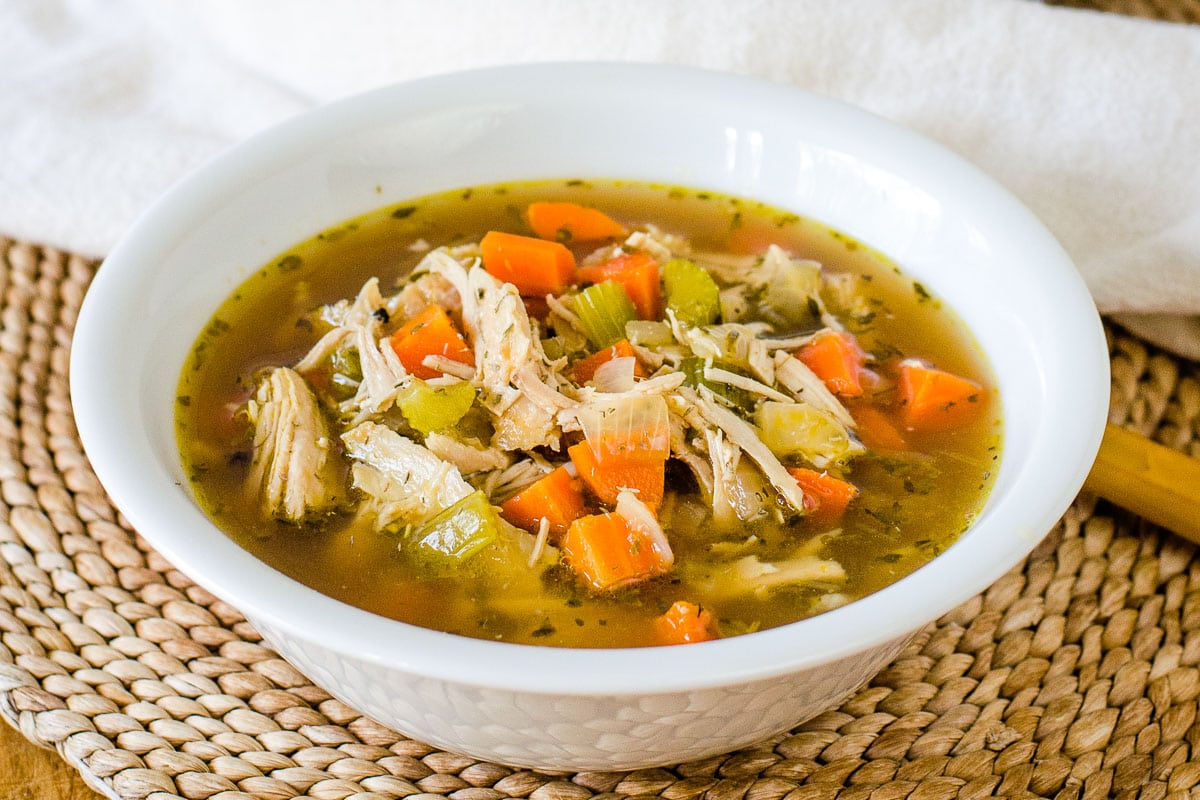
Transforming Leftovers into a Culinary Masterpiece: The Ultimate Guide to Easy Leftover Turkey Soup
After the feast has faded and the last morsel of pie has been devoured, you're often left with one glorious culinary opportunity: the leftover turkey. While a simple sandwich might suffice, transforming that succulent bird into a comforting, flavorful **turkey soup** is an act of true kitchen alchemy. Forget bland, watery concoctions – this guide will empower you to create a soup that’s not just a means to use leftovers, but a dish worthy of its own spotlight, whether you prefer it rich and brothy, delightfully creamy, or ready to freeze for a future easy meal.
Beyond Leftovers: The Art of a Truly Great Turkey Soup Stock
The foundation of any exceptional **turkey soup** lies in its stock. This isn't merely about boiling bones; it's about extracting profound depth and character. While store-bought broth offers convenience, crafting your own from the leftover turkey carcass elevates your soup from good to extraordinary. This homemade elixir captures the nuanced flavors that no carton can replicate.
The secret to a truly outstanding turkey stock, as culinary experts often emphasize, begins with an extra step: roasting the carcass and any leftover bones. Before placing them in your stock pot, break down the carcass and roast the pieces at around 400°F (200°C) for 20-30 minutes. This caramelization process deepens the color and intensifies the savory notes, providing a "huge depth bump" that will be the backbone of your soup.
Once roasted, transfer the bones to a large stockpot. Add essential aromatics: a quartered onion, a few celery stalks, halved carrots, fresh parsley stems, a sprig of thyme, a bay leaf, and a generous scattering of black peppercorns. Cover everything with cold water, ensuring it rises about an inch above the solids. Bring this mixture to a boil, then immediately reduce the heat to a bare simmer. This gentle cooking, maintained for 3-4 hours, allows the flavors to meld and develop without becoming murky. Throughout the simmering process, make sure to skim any foam that rises to the surface – this removes impurities and keeps your stock clear and clean-tasting. Finally, strain the stock through a fine-mesh sieve or cheesecloth, discarding the solids. Taste before salting, as the flavors will concentrate; you can always add more seasoning later. This homemade stock is your golden ticket to a superior **turkey soup**.
Crafting Layers of Flavor: Building Your Turkey Soup Base
The difference between a "beige swamp" and a brilliant **turkey soup** often boils down to technique – specifically, the art of layering flavors. Instead of tossing all ingredients into a pot and hoping for the best, a systematic approach builds complexity and ensures every component shines. This method, championed by top chefs, is about control and refinement, not just rustic simplicity.
Start with your flavor base. In a clean, heavy-bottomed pot, heat a good quality olive oil. Begin by sautéing finely diced aromatics like leeks, onions, carrots, and celery. Cook them gently until they are soft and translucent, about 6-8 minutes. This step, often called "sweating," extracts their natural sweetness and builds a foundational layer of flavor. Don't rush this stage; you're developing, not frying.
Next, introduce additional vegetables that benefit from slightly less cooking time. Think vibrant diced zucchini, thinly sliced fennel, or hearty kale. Stir these in and continue to sauté for another 5 minutes, allowing them to soften slightly while retaining some texture. This staged addition prevents vegetables from becoming waterlogged or mushy.
Once your vegetables are prepped, pour in your magnificent homemade turkey stock. Bring the soup to a gentle simmer, allowing the flavors to meld. For an extra touch of richness and a silky texture, consider adding a bit of leftover gravy at the very end of cooking. This not only enhances the flavor but can also thicken the soup beautifully.
Finally, the star: your leftover turkey meat. Strip every usable shred from the carcass, separating white and dark meat if you prefer different textures. Add the cooked turkey meat to the simmering soup *just* at the end, allowing it only to warm through. Never boil the turkey in the soup, as this can make it stringy and tough. A quick simmer is all it needs to rehydrate and integrate into the dish. To truly elevate your experience and ensure you're avoiding common culinary missteps, dive into
Upgrade Your Turkey Soup: Avoid Blandness with Expert Tips. For those keen to master the art of extracting maximum flavor from every part of the bird, our detailed guide on
Gordon Ramsay's Turkey Soup: Layered Flavor from Carcass offers invaluable insights into making the most of your turkey bones.
From Classic Broth to Creamy Indulgence: Versatile Turkey Soup Styles
The beauty of **turkey soup** lies in its versatility. While a classic, clear broth-based soup is undeniably comforting, you can easily adapt your recipe to suit different cravings or ingredient availability.
For a traditional, light, and invigorating **turkey soup**, simply follow the steps above, perhaps adding some small pasta (like ditalini or orzo) or a handful of rice during the last 10-15 minutes of simmering. These additions absorb the flavorful broth, adding body and satiety. Remember that pasta, in particular, will continue to absorb liquid even after the soup is off the heat, so be prepared to add a splash more broth or water when reheating.
If you're in the mood for something richer and more indulgent, a creamy **turkey soup** is a fantastic option. There are several ways to achieve that velvety texture:
- Roux-Based Creaminess: In a separate saucepan, melt a tablespoon or two of butter. Whisk in an equal amount of flour (a roux). Cook for 1-2 minutes until lightly golden. Gradually whisk in some of your hot turkey stock until smooth, then stir this thickened mixture back into your main soup pot.
- Dairy Boost: Once the soup is fully cooked and off the heat, stir in a generous splash of heavy cream, half-and-half, or even whole milk. Be careful not to boil the soup vigorously after adding dairy, as it can curdle.
- Starch Slurry: For a quicker thickening method, mix a tablespoon of cornstarch with an equal amount of cold water to form a slurry. Stir this into the simmering soup and cook for a few minutes until it thickens.
Creamy versions often pair beautifully with additions like wild rice, roasted mushrooms, or even a hint of sherry at the end for an extra layer of warmth.
Mastering the Freeze: Preserving Your Turkey Soup for Later Enjoyment
One of the greatest advantages of making a large batch of **turkey soup** is its incredible freezer-friendliness. Imagine a cold, busy weeknight when a homemade, comforting meal is just a thaw away! Properly freezing your soup ensures that you can savor the deliciousness of your holiday leftovers for months to come.
Here's how to freeze your turkey soup effectively:
- Cool Completely: This is crucial. Never transfer hot or even warm soup directly to the freezer. It can raise the internal temperature of your freezer, potentially thawing other items, and can also lead to an undesirable texture in the reheated soup. Allow the soup to cool to room temperature in the pot first. You can speed up this process by placing the pot in an ice bath or transferring the soup to shallower containers.
- Portion and Containerize: Ladle the cooled soup into airtight, freezer-safe containers or heavy-duty freezer bags. Consider portioning it into single or double servings for maximum convenience. Leave about an inch of headspace in containers to allow for expansion as the soup freezes.
- Label and Freeze: Clearly label each container or bag with the date and contents. Freeze for up to 3 months for optimal quality. While it might be safe for longer, the texture and flavor can degrade over time.
When you're ready to enjoy your frozen **turkey soup**:
- Thawing: The best method is to thaw it overnight in the refrigerator. If you're short on time, you can run the container under hot tap water until the soup loosens enough to be transferred to a saucepan. Alternatively, for freezer bags, place the frozen block in a bowl of cold water to speed up thawing.
- Reheating: Transfer the thawed or partially thawed soup to a saucepan on the stove. Reheat over medium heat, partially covered, stirring occasionally, until it reaches a gentle simmer.
- Adjusting Consistency: As previously mentioned, ingredients like pasta, rice, or even some vegetables will continue to absorb liquid as the soup sits and thaws. You will almost certainly need to add a splash of extra broth, water, or even milk/cream (for creamy versions) during reheating to achieve your desired consistency. Taste and re-season as needed.
Common Pitfalls and How to Avoid Them for Perfect Turkey Soup
Even with the best intentions, a homemade **turkey soup** can sometimes miss the mark. Understanding common pitfalls can help you avoid a "beige swamp" and ensure your creation is consistently delicious.
- Blandness: The most frequent complaint. This usually stems from a rushed or unroasted stock, insufficient seasoning, or not layering flavors. Solution: Invest time in a roasted carcass stock. Season gradually and taste frequently throughout the cooking process. Don't skip fresh herbs at the end!
- Waterlogged Vegetables: When vegetables are dumped in all at once or simmered for too long, they lose their texture and vibrancy. Solution: Add vegetables in stages. Harder root vegetables (carrots, celery) go in first, while softer ones (zucchini, kale) are added later, ensuring they retain some bite.
- Stringy, Chewy Turkey: Overcooked turkey meat is unpleasant. Solution: Always add your already-cooked turkey meat at the very end, only long enough to warm through. It's already tender; boiling it will only toughen it.
- Murky Stock: A stock that’s brought to a rolling boil and not skimmed can become cloudy. Solution: Always start with cold water, bring to a boil gently, then immediately reduce to a bare simmer. Skim impurities consistently.
- Missing Depth: Sometimes it just feels "flat." Solution: Don't skip the bay leaf and peppercorns in your stock. Consider a splash of good quality dry sherry or white wine to the sautéed aromatics for an extra layer of complexity before adding stock.
By being mindful of these common mistakes and applying the techniques of building a robust stock, layering flavors, and careful cooking, your leftover **turkey soup** will become a highly anticipated post-holiday tradition.
In conclusion, turning your leftover turkey into an extraordinary soup is less about necessity and more about intentional culinary craft. From the foundational richness of a homemade, roasted carcass stock to the meticulous layering of fresh ingredients and thoughtful preservation, every step contributes to a dish that's comforting, deeply flavorful, and far from a mere "consolation prize." Embrace these techniques, and your next batch of **turkey soup** won't just be an easy meal; it will be a truly satisfying culinary upgrade.