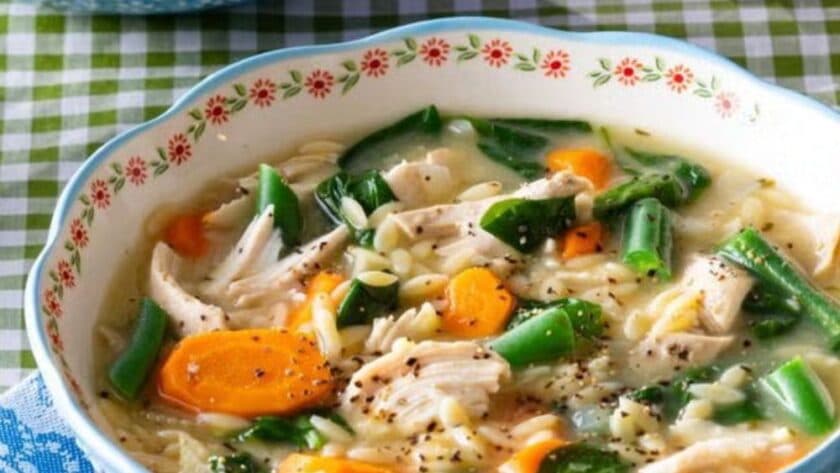
After the grand feast of Thanksgiving or Christmas, the leftover turkey carcass often feels like a culinary puzzle. While many resort to a simple, functional turkey soup, imagine transforming that skeletal remains into a gourmet experience worthy of a master chef. That’s precisely the philosophy Gordon Ramsay brings to the table: turning what could be a bland "beige swamp" into a dish of profound, layered flavor.
This isn't just about using up leftovers; it's about reinvention. Ramsay's approach to turkey soup elevates it from a mere consolation prize to an eagerly anticipated post-holiday meal. The secret lies in a meticulous process, focusing on extracting maximum depth from every ingredient, particularly the often-underestimated turkey carcass.
The Ramsay Philosophy: From Carcass to Culinary Masterpiece
Most leftover soups fall short because they treat ingredients as an afterthought, tossing everything into a pot and hoping for the best. Gordon Ramsay, renowned for his precision and intensity, demands more. His methodology isn't "rustic" in the sense of being uncontrolled; it’s refined, layered, and built on discipline. The journey from a stripped carcass to a sensational turkey soup rests on three critical pillars:
- Broth Discipline: The stock isn't just a liquid; it's the very soul of the soup. Ramsay's method employs time and careful extraction to achieve unparalleled depth without murkiness.
- Layered Vegetables: Vegetables aren't dumped in; they're introduced in stages, each timed to contribute optimal texture and flavor clarity.
- Gentle Handling of Leftover Turkey: The cooked turkey meat is added last, merely warmed through, preserving its tenderness rather than rendering it stringy and dry.
These principles are what separate a forgettable, watery broth from a rich, aromatic experience. Missing any of these steps can lead to the very "punishment" of a bland soup that many associate with leftovers.
The Foundation: A Broth That Sings
The cardinal rule for any great soup, especially turkey soup, is that the stock is the dish. This isn't just stock; it's liquid gold, the flavor backbone that will support every other ingredient. Ramsay emphasizes starting with the turkey carcass, and crucially, roasting it first.
Why roasting matters: Roasting the bones and any remaining bits of meat at 400°F (200°C) for 20-30 minutes before simmering caramelizes the natural sugars and proteins, developing a rich, complex depth that unroasted bones simply cannot achieve. This crucial step is often overlooked but provides a "huge depth bump" to your broth, moving it far beyond basic.
To craft this exceptional stock, place the broken-up roasted carcass into a large pot. Add essential aromatics: quartered onion, celery ribs, carrot halves, a few sprigs of fresh thyme, parsley stems (don't waste the leaves yet!), a bay leaf, and whole peppercorns. Cover all ingredients with cold water, ensuring it's about an inch above the solids. Bringing the water to a boil slowly, then reducing it to a bare simmer for 3-4 hours, is key. Skim off any impurities that rise to the surface frequently; this ensures a clear, clean-tasting stock. Finally, strain the broth through a fine-mesh sieve or cheesecloth, discarding all solids. Taste the concentrated liquid before adding salt, as its flavors will have intensified significantly.
Building Complexity: The Art of Layered Vegetables
Ramsay's approach to vegetables is a masterclass in timing and texture. Instead of a uniform mush, he seeks contrast and dimension. This means adding vegetables in specific stages, allowing each to contribute optimally.
Begin by building the soup base in a clean pot. Heat a generous glug of good quality olive oil. Then, add finely diced leeks, onions, carrots, and celery – the classic mirepoix. Sauté these gently for 6-8 minutes until they are soft and translucent, not browned. This "sweating" process unlocks their natural sweetness and aromatic compounds, forming a fragrant foundation for the soup.
Next, introduce your "contrast" vegetables. Ramsay loves to add ingredients like diced zucchini, fennel, or even kale. These aren't just fillers; they bring a welcome bite and varied texture to the soup. Stir them in and continue to sauté for another 5 minutes, allowing them to slightly soften without losing their integrity. The goal here is to develop, not obliterate, their distinct characteristics.
This disciplined layering ensures that each vegetable retains its identity, contributing uniquely to the soup's overall texture and flavor profile, rather than melding into an indistinct, waterlogged mass. It's a fundamental difference that elevates the entire dish.
Preserving Perfection: The Leftover Turkey's Role
The star of the show – your leftover turkey meat – deserves respect. The biggest mistake home cooks make is adding the cooked turkey at the beginning of the simmering process. This inevitably leads to dry, stringy, and flavorless meat.
Ramsay's rule is simple: leftover turkey is added last, never boiled. Strip every usable shred of meat from the carcass, separating white and dark meat if you wish for better control over texture. Refrigerate it until the very end. Once your stock is simmering with the layered vegetables, and the soup is nearing completion, gently fold in the pre-cooked turkey meat. Allow it to warm through for just a few minutes – no more. This preserves its moisture, tenderness, and inherent flavor, ensuring it remains a delightful component rather than a culinary casualty.
Essential Ingredients and Avoiding Common Pitfalls
While the technique is paramount, the ingredients themselves play a crucial supporting role. Here’s a quick rundown of what truly matters, and how to avoid the missteps that lead to a flat, uninspired soup:
- Turkey Carcass: Non-negotiable. Roasting it first is the key to deep, nuanced broth.
- Fresh Aromatics (Leeks & Onions): Leeks offer a milder, sweeter note than just onions, balancing the richness of the turkey. They contribute significantly to the broth's clarity and sweetness.
- Assorted Diced Vegetables: Zucchini, fennel, and kale aren't just for show; they provide textural contrast and fresh flavor. Don't be afraid to experiment with what you have on hand, but always aim for variety.
- Fresh Herbs (Thyme, Parsley): Dried herbs can work in a pinch, but fresh herbs added at the end of cooking provide an aromatic lift that transforms the soup. Save some parsley for garnishing!
- Olive Oil: Used not just for sautéing, but to "bloom" the flavor base, helping to extract and carry the aromatics.
Mistakes to avoid at all costs:
- Skipping peppercorns or bay leaves in the stock: These subtle additions are flavor enhancers that provide background complexity, preventing a flat-tasting broth.
- Not roasting the carcass: As mentioned, this is the single most impactful step for flavor depth.
- Using only dried herbs: While dried herbs are fine for the stock, fresh herbs truly shine when stirred in at the end.
- Overcooking the vegetables: You want tender-crisp, not mush. Timing is everything.
- Adding cold water to a hot pot for stock: Always start with cold water; it helps slowly extract impurities and flavor, leading to a clearer, richer broth.
If you've ever wondered how to upgrade your turkey soup and avoid blandness, these insights are your blueprint. By understanding the 'why' behind each step, you can confidently turn that beige swamp into a vibrant, flavorful triumph.
A Step-by-Step Culinary Journey (Ramsay's Way)
Let's consolidate the wisdom into an actionable plan for your next leftover turkey masterpiece:
- Pick the Turkey Meat: Carefully strip all usable meat from the carcass. Separate white and dark meat if desired for textural control. Cover and refrigerate.
- Craft the Stock:
- Preheat oven to 400°F (200°C). Roast the broken-up turkey carcass for 20-30 minutes until browned and fragrant.
- Transfer roasted bones to a large pot. Add quartered onion, celery, carrot halves, thyme sprigs, parsley stems, a bay leaf, and whole black peppercorns.
- Cover with cold water, ensuring about an inch over the solids.
- Bring to a boil, then immediately reduce to a bare simmer. Skim impurities frequently.
- Simmer for 3-4 hours, allowing flavors to slowly meld and concentrate.
- Refine the Broth: Strain the stock through a fine-mesh sieve or cheesecloth, discarding all solids. Taste the broth before seasoning; it should be rich and flavorful. Adjust salt as needed.
- Build the Flavor Base: In a clean pot, heat a drizzle of olive oil. Add finely diced leeks, onions, carrots, and celery. Sauté gently for 6-8 minutes until softened and translucent, but not browned.
- Introduce Varied Textures: Stir in your chosen additional vegetables (e.g., diced zucchini, fennel, or kale). Sauté for another 5 minutes, allowing them to soften slightly while retaining some bite.
- Combine and Simmer: Pour in about 4 quarts (or as much as desired) of your homemade turkey stock. Bring the soup to a gentle simmer.
- Final Touches: Add the reserved, cooked turkey meat and fresh herbs (chopped parsley, thyme leaves). Simmer just long enough to warm the turkey through, about 5-10 minutes. Taste and adjust seasoning (salt and pepper) one last time.
Beyond the Bowl: Freezing and Reheating Tips
Like many excellent soups, Gordon Ramsay's turkey soup freezes beautifully, making it perfect for meal prep or a comforting future dinner. To freeze, allow the soup to cool completely to room temperature in the pot. Then, transfer it to airtight containers, leaving a little headspace, and freeze for up to 3 months.
When you're ready to enjoy it, thaw the soup overnight in the refrigerator, or run the container under hot tap water until the soup loosens enough to be transferred to a saucepan. Reheat gently on the stove over medium heat, partially covered, until simmering. A pro tip: pasta or rice added directly to the soup will continue to absorb liquid as it sits or thaws, so you might need to add a splash of extra broth or water when reheating to achieve the desired consistency.
Gordon Ramsay's method for turkey soup transforms a simple leftover into a deeply satisfying, flavorful, and sophisticated dish. By honoring the carcass, meticulously layering flavors, and respecting the ingredients, you'll move far beyond a beige swamp to create a truly memorable meal. It’s an upgrade, not a consolation prize, proving that with a little discipline and attention to detail, even humble leftovers can achieve culinary greatness.
